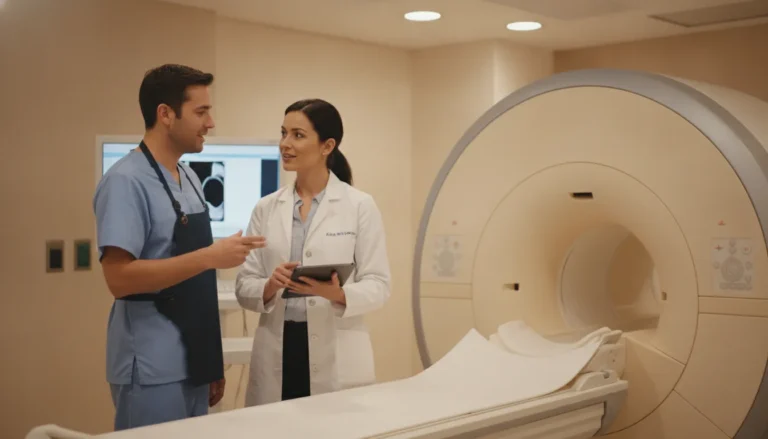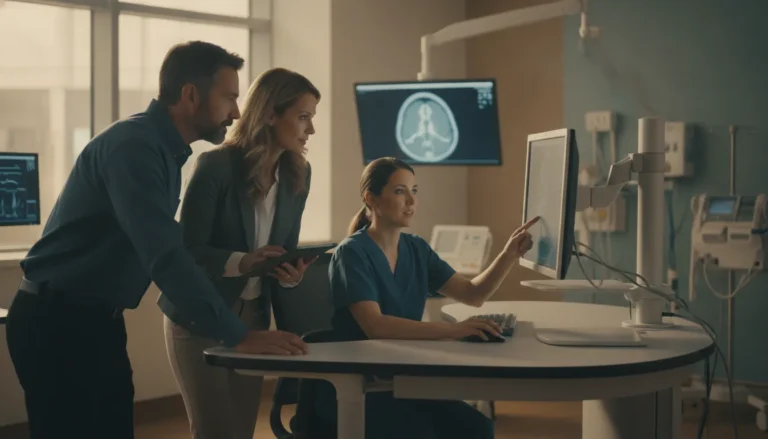

The problem isn’t just staffing. It’s speed, access, and pressure.
These aren’t abstract questions — they’re coming from inside the hospital every day:
- COOs working to reduce bottlenecks across patient flow
- Radiology leaders trying to cover nights and weekends without burning out their teams
- Imaging managers doing everything they can to keep studies moving when staffing can’t keep up
Because the reality is this: The radiologist shortage isn’t coming. It’s already here — and it’s putting pressure on the entire system.
And it’s not just affecting staffing — it’s impacting throughput, patient care, and operational performance across the entire system.

Why the Radiologist Shortage Is Hitting Operations First
Most conversations focus on hiring.
But leaders on the ground know the real issue is workflow pressure.
You’re seeing it in:
- Growing imaging backlogs
- Delayed report turnaround times (TAT)
- Increased after-hours strain
- Limited access to subspecialty reads
- Burnout across radiology teams
This isn’t just a talent gap. It’s an operational bottleneck.
Why Traditional Approaches Aren’t Solving It
Hospitals have tried to respond by:
- Recruiting more radiologists
- Outsourcing reads
- Expanding shift coverage
- Investing in new PACS systems
But those solutions often create new problems:
- More vendors, less coordination
- Delayed communication between teams
- Fragmented image access
- Disconnected workflows
In many cases, the system gets more complex — but not faster.
What Leading Health Systems Are Doing Differently
Instead of trying to “add more people,” forward-thinking organizations are rethinking how radiology operates altogether.
They’re focusing on:
1. Real-Time Radiology Support
Not just sending images out for reads — but enabling live collaboration around the image.
This means:
1. Reduced delays in critical moments
2. Faster decision-making
3. Immediate clinical input

2. 24/7 Coverage Without Overloading Teams
Extending coverage without overextending staff.
- After-hours radiology support
- Remote radiologist coverage
- Access to subspecialists when needed
3. Improving Imaging Turnaround Time (TAT)
Speed isn’t just about reading faster — it’s about removing friction in the workflow.
- Streamlined image access
- Faster communication between teams
- Reduced handoffs and delays
4. Fixing Image Sharing and Access
One of the most overlooked issues: Getting the right image to the right person at the right time.
Hospitals are moving away from:
- CDs
- Disconnected PACS systems
- Manual transfers
And toward:
- Seamless image exchange
- Cross-facility access
- Real-time data availability
This Isn’t Just Teleradiology Anymore
Traditional teleradiology solved one problem: Getting images read remotely.
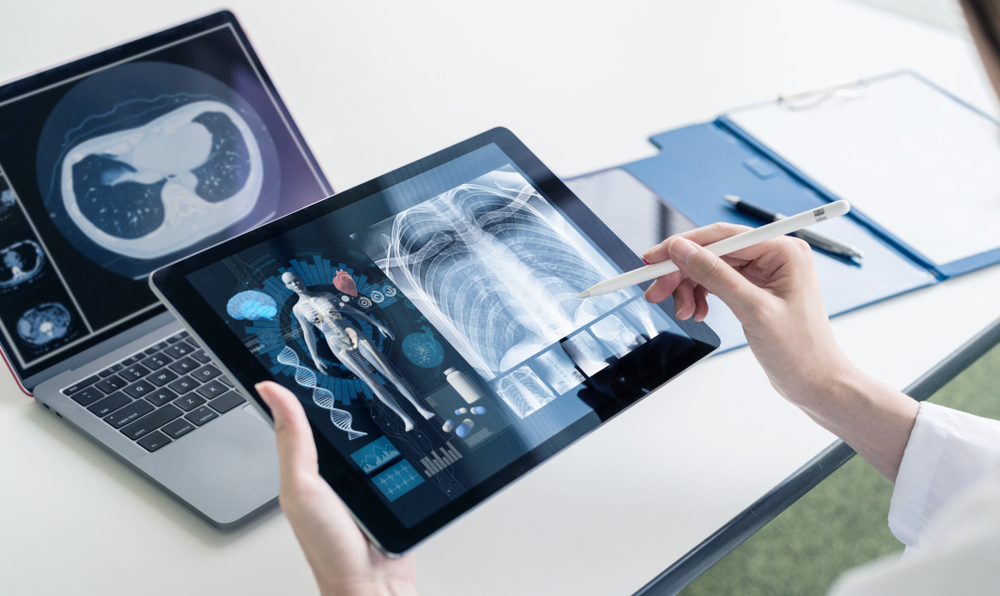
But today’s healthcare environment requires more than that.
It requires:
- Real-time collaboration
- Integrated workflows
- Immediate access to expertise
- Connected imaging data across systems
This is where radiology is going…
From Delayed Reads to Real-Time Care
The shift happening right now is simple — but powerful:
From: Reading images after the fact
To: Supporting care as it happens
What This Means for Healthcare Leaders
If your team is dealing with:
- Delays in imaging turnaround time
- Difficulty covering nights and weekends
- Radiologist burnout
- Fragmented imaging systems
- Inefficient image sharing
You’re not alone. But more importantly — you’re not stuck.
The Path Forward
The hospitals moving fastest right now aren’t the ones hiring the most. They’re the ones removing friction from how radiology actually works.
Because solving the radiologist shortage isn’t just about staffing. It’s about building a system that allows care to move — without waiting.
Start With Your Workflow
Before adding more people or more systems, start here:
- Where are delays happening?
- Where is communication breaking down?
- Where are images getting stuck?
That’s where the opportunity is.

Point Being
Radiology doesn’t need to catch up. It needs to connect, accelerate, and operate in real time.
And the organizations that figure that out first won’t just solve staffing challenges. They’ll fundamentally improve how care is delivered.
Learn how TeleRay can help rural healthcare providers manage medical imaging more efficiently. Book a demo today.