
In 2026, healthcare can stream video, run AI, and perform remote consults in real time.
But many systems still rely on CDs to move patient imaging.
It sounds outdated — because it is. And it’s costing more than most organizations realize.
The Problem Nobody Talks About
When a patient needs imaging shared between providers, the process often looks like this:
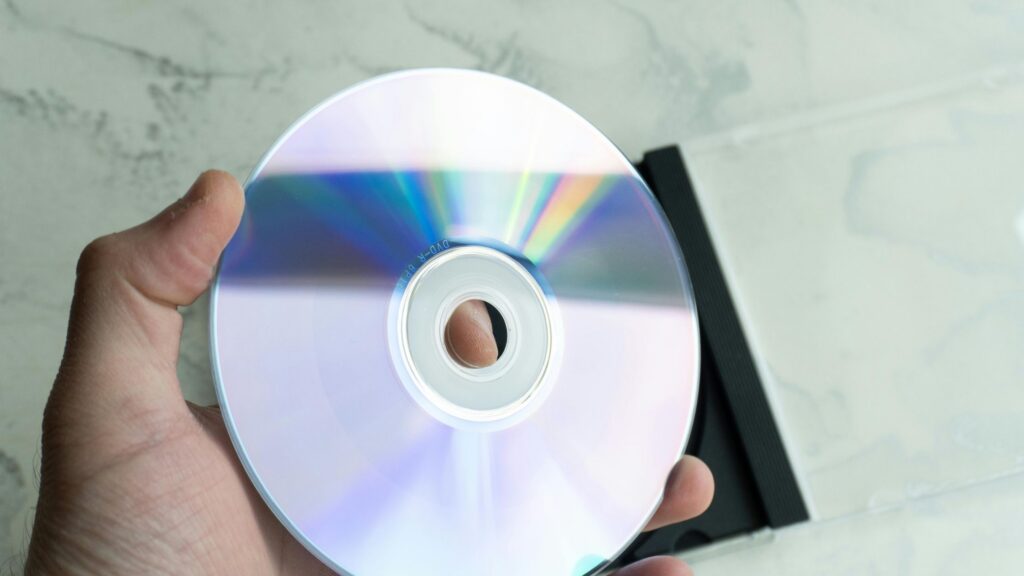
- Images are burned onto a CD
- The patient physically carries it
- Another facility attempts to upload it
- Files may be delayed, unreadable, or incomplete
This isn’t a rare scenario. It’s still happening every day.
What Actually Happens Behind the Scenes
Even when everything goes “right,” the process is slow and manual:
- Staff must locate and export imaging
- CDs must be created, labeled, and tracked
- Receiving teams must upload and verify files
- Clinicians wait to access what they need
When it goes wrong, the impact compounds:
- CDs don’t load
- Files are corrupted
- Data is missing
- Imaging has to be repeated
All of this creates friction in moments where speed matters most.
The Hidden Cost
Outdated imaging workflows don’t just slow things down — they create real consequences:
- Delayed care decisions
- Repeat scans (increasing cost and patient exposure)
- Wasted staff time
- Higher operational risk
Across the industry, imaging inefficiencies contribute to billions in unnecessary costs each year.
But the bigger issue isn’t financial — it’s clinical.
When access to imaging is delayed, care is delayed.
Why This Still Exists
If the process is so inefficient, why hasn’t it changed? Because the problem isn’t awareness — it’s infrastructure.
- Systems don’t communicate easily with each other
- Security concerns limit how data is shared
- Legacy workflows were never fully replaced
- Teams default to what “works,” even if it’s slow
CDs persist because they feel reliable. But reliable doesn’t mean effective.

What Modern Imaging Workflow Looks Like
Today, there’s a better way to manage and share imaging. Modern workflows are built around:
- Instant access to imaging and data
- Secure, compliant sharing between providers
- Real-time collaboration during patient care
- No physical media, no manual transfer
Instead of chasing files, clinicians can focus on decisions. Instead of waiting, teams can act.
The Bottom Line
The problem isn’t technology. It’s outdated workflow. Healthcare has already advanced — but in many places, the process hasn’t caught up.
Fixing how imaging is shared isn’t just an efficiency upgrade. It’s a care improvement.
Learn how TeleRay can help rural healthcare providers manage medical imaging more efficiently. Book a demo today.
Frequently Asked Questions
Why are CDs still used in healthcare?
Many healthcare systems rely on legacy processes and disconnected technologies, making physical media like CDs a default method for transferring imaging.
What is medical image sharing?
Medical image sharing is the process of securely transferring imaging (such as X-rays, CT scans, or MRIs) between providers for diagnosis and treatment.
Why is sharing medical imaging difficult?
Challenges include system incompatibility, security requirements, and lack of standardized workflows across organizations.
What is secure image exchange in healthcare?
Secure image exchange allows providers to access and share patient imaging digitally, in real time, while maintaining compliance with healthcare privacy standards.