

Healthcare Has an Imaging Workflow Problem. Not an Imaging Problem.
Most health systems already have:
- An EMR
- PACS
- Telehealth tools
- Imaging devices
- Specialists
But the workflow between them is still fragmented. That fragmentation shows up every day:
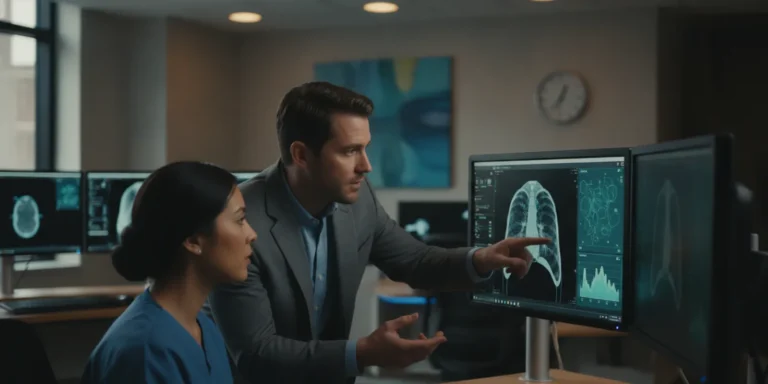
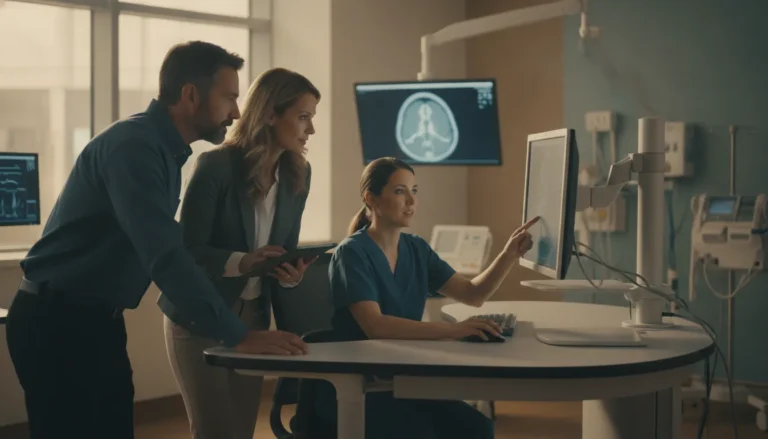
- Provider trying to pull up images during a virtual consult
- Specialist waiting on imaging access
- ER transferring patients because collaboration takes too long
- Radiology team buried under growing volumes
- Clinician screen-sharing scans over Zoom because systems don’t actually work together
The issue usually isn’t access to imaging. It’s that imaging still sits outside the care workflow. And that’s where TeleRay fits differently.
The Industry Pressure Is Growing Fast
Healthcare organizations are under pressure from every direction:
- Imaging volumes continue to rise year over year
- Radiologist shortages are intensifying
- Virtual care expectations are now permanent
- Rural access gaps remain a major challenge
- Health systems are being pushed to do more with fewer resources
At the same time, providers are expected to:
- Move faster
- Collaborate better
- Reduce patient friction
- Improve outcomes
- Lower operational costs
Most existing workflows were never built for that reality.
The Real Problem With Most EMR + Imaging Environments
Healthcare leaders already understand integrations, PACS, and telehealth. The bigger issue is this:
None of these systems were designed to work together operationally.
That creates workflow gaps like: Imaging Delays During Virtual Care
Providers can launch a telehealth visit… but reviewing imaging collaboratively still becomes clunky.
Multiple Logins and Platforms
Clinicians bounce between:
- EMR
- PACS
- Video software
- Secure sharing systems
- Messaging tools
That costs time and focus.
Slow Specialist Collaboration
Critical imaging often still requires:
- Calls
- Transfers
- Waiting on access
- Sending links
- Manual coordination
In high-acuity environments, minutes matter.
What TeleRay Changes
TeleRay is not trying to replace the EMR. And that matters. Instead, TeleRay acts as a connective clinical workflow layer between:
- Existing EMR infrastructure
- Imaging
- Providers
- Specialists
- Telehealth
- Patients

The value is operational. Not theoretical.
What “Image-Enabling” an EMR Actually Looks Like
This is where the conversation becomes more practical. Image-enabling an EMR means clinicians can:
- Access imaging inside workflows faster
- Collaborate around imaging in real time
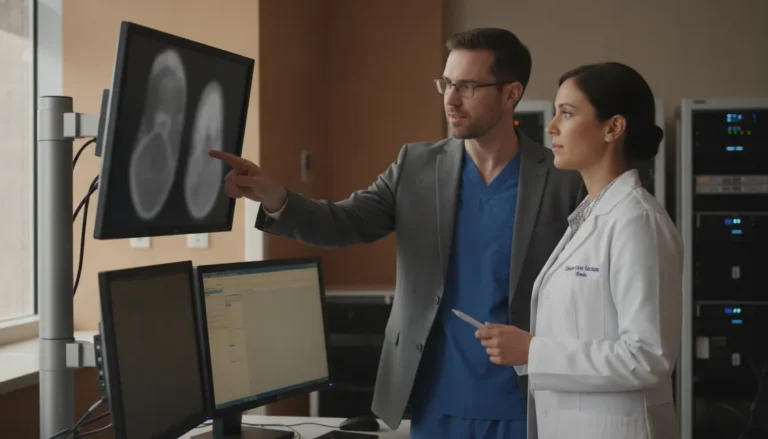
- Pull specialists into consultations instantly
- Share imaging with patients during care discussions
- Reduce delays caused by disconnected systems
The difference is subtle until you see it operationally.
Instead of:
“I’ll review the scan and call you back.”
The workflow becomes:
“Let’s pull it up together right now.”
That changes:
- Speed
- Coordination
- Patient confidence
- Clinical alignment
Why This Matters Financially
Most organizations underestimate how expensive workflow friction becomes at scale. Disconnected imaging workflows contribute to:
- Delayed throughput
- Redundant scans
- Patient transfers
- Longer decision cycles
- Provider inefficiency
- IT complexity
Healthcare systems aren’t just buying software anymore. They’re trying to reduce operational drag. That’s why workflow-layer platforms are gaining attention.
TeleRay’s Biggest Strategic Advantage
The biggest differentiator may not be imaging itself. It’s workflow orchestration. TeleRay brings together:
- Real-time imaging
- Telehealth
- DICOM sharing
- Clinical collaboration
- EMR connectivity
into a more unified provider experience. That becomes especially valuable in:
- Emergency medicine
- Rural healthcare
- Stroke care
- Oncology
- Trauma
- Tele-ICU
- Multi-site health systems
The Hidden Impact: Provider Experience
One area healthcare technology leaders are paying closer attention to is provider fatigue.
Every additional:
- Login
- Workflow jump
- Manual process
- Communication gap
creates cognitive load. And clinicians don’t need more software. They need fewer workflow barriers.
That’s the deeper value behind image-enabled infrastructure.

This Is Bigger Than Telehealth
Many organizations thought telehealth was the transformation. It wasn’t. Telehealth exposed the fragmentation that already existed. The next phase is:
Connected clinical workflows.
That includes:
- Imaging
- Communication
- Collaboration
- Real-time access
- Unified patient interaction
Healthcare is moving from:
“digital access”
to:
“operationally connected care.”
The Bottom Line
Healthcare organizations already have the systems. The challenge is making those systems work together in real clinical environments without adding more friction.
That’s the shift TeleRay is helping solve.
Not by replacing the EMR. But by making imaging, collaboration, and care delivery work more like a connected ecosystem instead of disconnected tools.