

Virtual care has transformed healthcare delivery, but many platforms still create fragmented experiences. Clinicians often toggle between video screens, electronic health records (EHRs), PACS imaging systems, lab reports, and communication tools just to complete a single consultation. Every additional click creates friction, consumes time, and can distract from patient care.
The future of telehealth is not simply video conferencing. It is immersive, data-rich virtual care experiences where providers can access patient information, collaborate in real time, and maintain meaningful patient interactions without leaving the consultation environment.
That is where TeleRay is redefining virtual care.
As a platform originally built around radiology workflows, TeleRay enables providers to display and interact with patient data-including medical images, reports, labs, and live diagnostic information-while maintaining face-to-face engagement during consultations.
Why Traditional Virtual Consultations Fall Short
Most telehealth interactions follow a familiar pattern:
- Start a video call
- Open another screen for labs
- Switch to imaging software
- Pull up patient records
- Attempt to explain findings while navigating multiple applications
This workflow forces clinicians to divide their attention between systems rather than focusing entirely on the patient.
Patients notice the difference.
When physicians continuously look away, switch tabs, or struggle with disconnected technologies, the consultation can feel transactional rather than collaborative.
Healthcare organizations increasingly recognize that virtual care must become more connected, interactive, and patient-centered.

Creating a Shared Clinical Experience
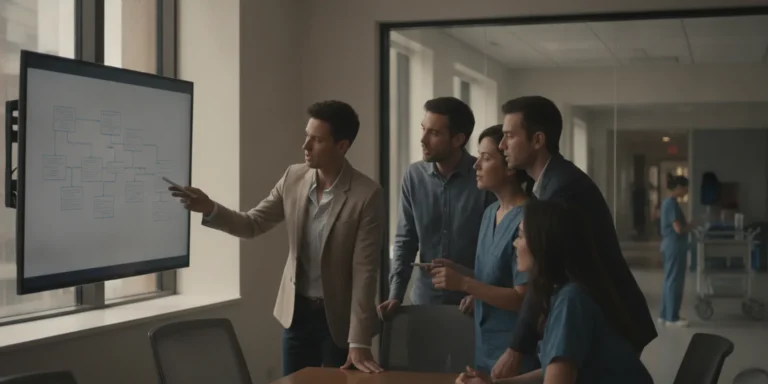
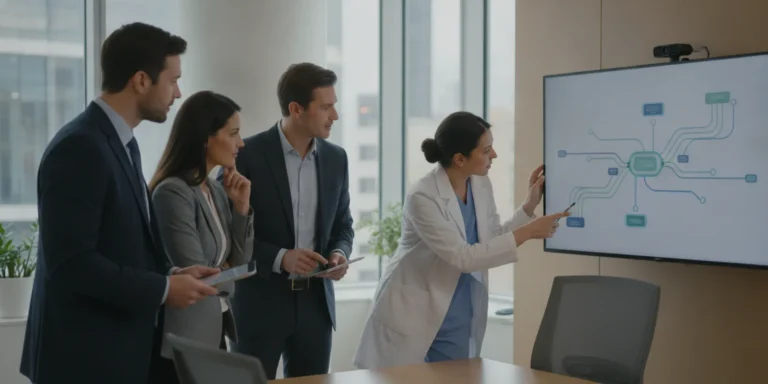
Meaningful consultations happen when everyone sees the same information at the same time.
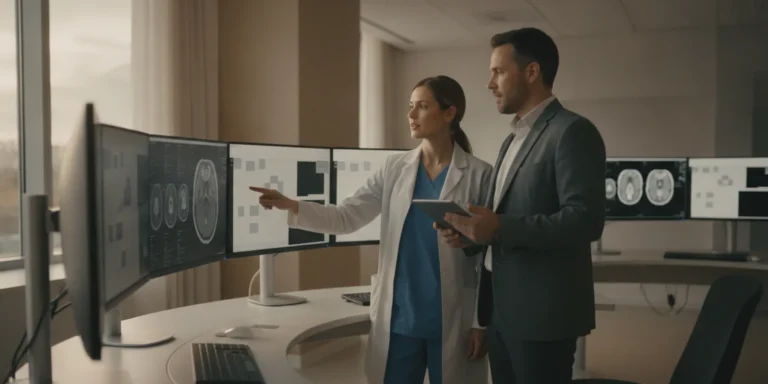
TeleRay supports simultaneous viewing of:
- Radiology images
- Diagnostic reports
- Labs and patient records
- Real-time modality streaming
- Multi-party consultations with specialists and family members
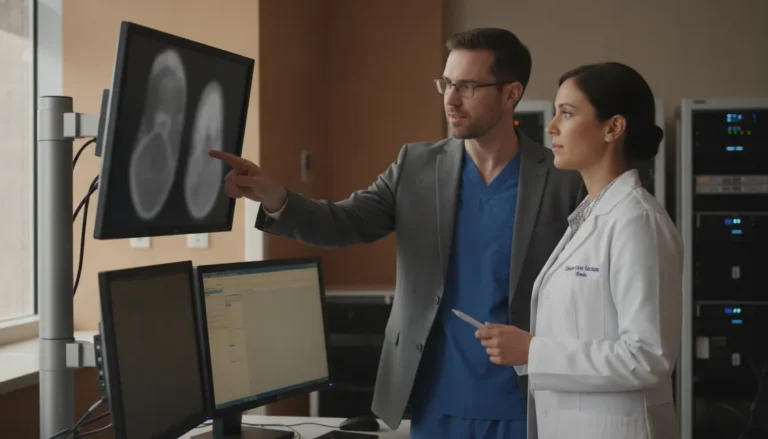
Providers can review imaging and clinical data while maintaining face-to-face interactions during the consultation itself.
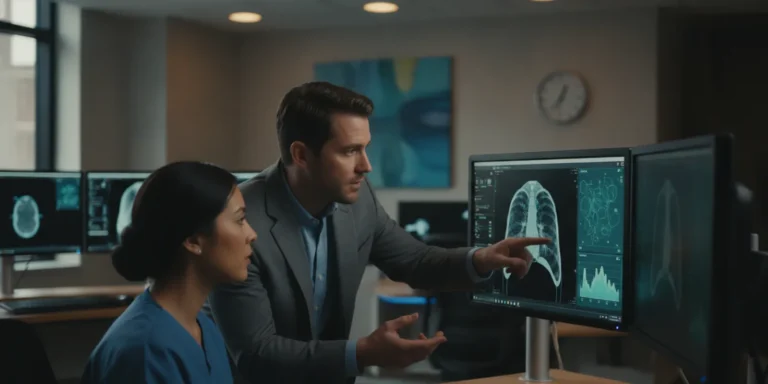
Rather than discussing a CT scan abstractly, clinicians can visually walk patients through findings in real time.
This changes the consultation from:
“I’ll explain what your results say.”
to:
“Let me show you exactly what we’re seeing.”
That distinction creates stronger patient understanding and engagement.
Putting Clinicians Virtually in the Room
TeleRay describes its mission as “putting clinicians virtually in the room.”
This goes beyond standard telehealth.
The platform enables real-time streaming from modalities such as:
- Ultrasound
- MRI
- CT
- Fluoroscopy
- Endoscopy
- C-arms
Specialists can remotely participate, guide positioning, provide consultation, and collaborate without requiring travel or onsite presence.
This capability becomes especially important for:
Rural healthcare environments
Many facilities face specialist shortages or geographic barriers. Remote participation creates broader access without delaying care.
Training and education
Experienced clinicians can mentor teams remotely and provide guidance across multiple locations simultaneously.
Complex multidisciplinary consultations
Specialists, bedside clinicians, family members, and caregivers can collaborate within a single environment.

Better Patient Understanding Through Visual Communication
Patients process information differently.
A verbal explanation alone often leaves uncertainty.
Visual experiences create stronger understanding.
When clinicians can display imaging, reports, and findings while continuing natural conversation, patients gain:
- Greater confidence
- Improved comprehension
- Increased trust
- Higher engagement during treatment discussions
TeleRay specifically supports displaying images, reports, and clinical information alongside live consultations to improve communication and patient participation.
Healthcare becomes more collaborative when patients become active participants rather than passive listeners.
Seamless Integration Matters
A virtual care platform only succeeds if it fits existing clinical workflows.
TeleRay integrates with hundreds of EMRs and major systems including Epic and Athena, creating immediate access to critical patient information during consultations.
This interoperability reduces:
- Duplicate work
- Workflow disruptions
- Information silos
- Administrative burden
Clinicians spend less time searching and more time caring.

Security Cannot Be an Afterthought
Virtual care requires trust.
Healthcare organizations must ensure every interaction protects patient privacy and sensitive information.
TeleRay operates with HIPAA-compliant infrastructure and proprietary encryption architecture built to secure patient communications and shared clinical data.
As virtual care expands across hospitals, specialty clinics, and remote care environments, security remains foundational to meaningful digital healthcare experiences.
The Future of Virtual Care Is Immersive
Healthcare organizations are moving beyond video calls.
The next generation of virtual care combines:
- Clinical data visibility
- Real-time imaging
- collaborative workflows
- multi-user consultation
- AI-assisted capabilities
- patient-centered experiences
The goal is not replacing human interaction.
The goal is enhancing it.
By creating consultations where clinicians, patients, imaging, reports, and care teams exist in one unified environment, TeleRay helps make virtual interactions feel more connected, informed, and impactful.
Because meaningful care happens when providers can see more than just a screen.
They can see the full patient story.